
A Beginners Guide to 3D Product Animation Services
In today’s digital-first world, how your product looks online can make or break a sale. Static images and traditional photography can struggle to stop the scroll and capture attention, and cannot explain functionality. This is where 3D product animation services come in.
If you’re new to 3D product animation or product rendering, the process can feel overwhelming. With so many styles, tools, and technical considerations involved, it’s not always clear what actually matters or how to make the right decisions for your product.
This guide breaks down the essentials of 3D product animation, helping you understand what to look for, what questions to ask, and how to get the most value from the process.
What Are 3D Product Animation Services?
3D product animation is the process of creating realistic, three-dimensional visual representations of products using advanced modeling, texturing, lighting, and animation techniques. These animations can showcase a product from every angle, demonstrate how it works internally, and highlight key features in ways that traditional media simply can’t.
From sleek consumer electronics to complex industrial machinery, 3D product animations allow viewers to experience a product before it ever reaches their hands.
Is 3D Product Animation Right for You?
3D product animation is particularly valuable if:
Your product has complex internal features.
Physical prototypes are expensive or unavailable.
You need flexibility across multiple marketing channels.
You need to market the product early (pre-orders, hype, fund raising).
Visual clarity is critical to understanding the product.
For many first-time users, starting with a short, focused animation or a set of rendered visuals is a smart way to test the process.
Why 3D Product Animation Matters for Modern Brands
1. Enhanced Product Understanding
3D animations can visually explain complex mechanisms, internal components, and unique features with ease. This is especially valuable for technical, medical, or industrial products where clarity is critical.
2. Increased Engagement & Conversions
Motion naturally captures attention. Studies consistently show that animated product visuals keep users engaged longer and lead to higher conversion rates across websites, landing pages, and eCommerce platforms.
3. Cost-Effective & Flexible
Once a product is modeled in 3D, it can be reused across marketing campaigns, social media, product launches, trade shows, and explainer videos—saving time and production costs compared to repeated photoshoots.
4. Perfect for Pre-Launch Marketing
With 3D product animation, you don’t need a physical prototype. Brands can begin marketing before manufacturing is complete, accelerating go-to-market timelines.
For many brands, especially those with complex or innovative products, 3D animation becomes a visual explanation tool rather than just a marketing asset.
Start With a Clear Purpose
One of the most important things to consider before starting any 3D animation project is why you need it. Ask yourself:
Is the goal to explain how the product works?
Highlight design details or materials?
Support a product launch or investor presentation?
Improve clarity on an eCommerce product page?
It could be that several of these are required for example at product launch; animated teasers, launch animation, 3D rendered still images for the website, hero product shots for eCommerce product pages. The beauty of 3D animation and rendering services are once a product is prepared and optimised for rendering with materials, textures and lighting, it can be put into any environment, it can be re-framed with new camera angles or animated in a consistent and streamlined workflow which saves time and provides you with a suite of marketing materials very efficiently.

Understanding Levels of Realism
Not every product needs ultra-photorealistic rendering. When you’re new to 3D animation, it’s helpful to understand that realism exists on a spectrum.
Concept-level visuals are useful for early-stage ideas and product pitches.
Mid-level realism balances clarity and cost for marketing and education.
Photorealistic renders aim to match real-world materials, lighting, and textures.
The right level depends on where your product is in its lifecycle and how the visuals will be used.
The Importance of Accurate 3D Models
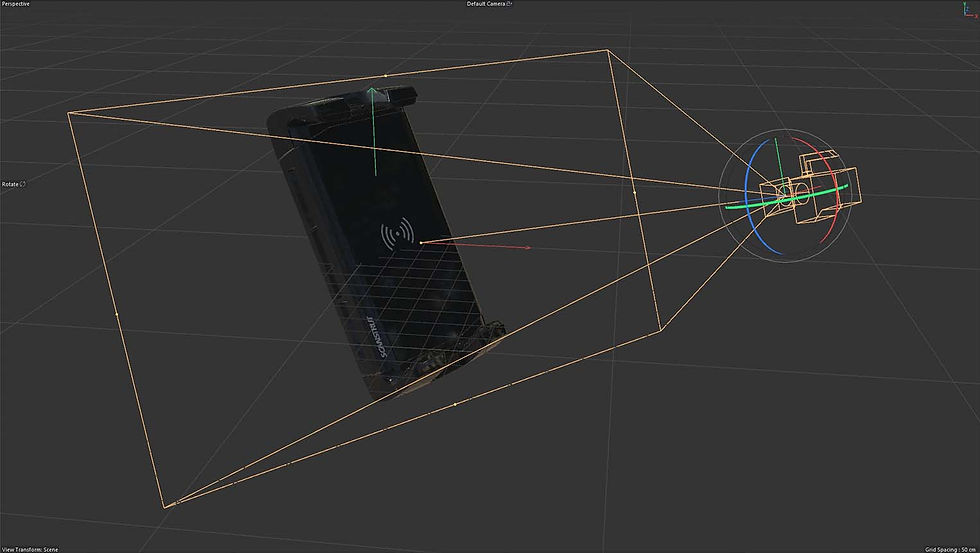
A strong animation always starts with a solid 3D model. Poor modeling optimsation can lead to unrealistic looking or misleading visuals. If you’re providing files, CAD data is ideal and we are used to working with engineering teams directly to ensure the best 3D output so you don't have to worry about this part of the process.
Lighting, Materials, and Detail Matter
Subtle details often make the biggest difference in perceived quality. Realistic lighting and use of shadow gives depth and a cinematic look while accurate material behavior, and attention to surface detail all contribute to how “real” a product feels on screen.
Even simple products benefit from thoughtful lighting and clean material definition, especially when viewers are unfamiliar with the brand or product. Do you want to showcase the product in a catalogue style like a website store image, or do you want to highlight key features or fine details? All these questions shape how the product is lit and framed within the scene.
Think About Where the Animation Will Be Used
Before starting production, consider how and where the animation will live:
Website product pages
Social media platforms
Presentations or trade shows
Paid advertising or email campaigns
Different platforms may require different formats, aspect ratios, or animation lengths. Planning this early avoids costly revisions later.
Communication and Iteration Are Key
If you’re new to the rendering process, expect it to be collaborative. Clear feedback, reference examples, and staged approvals (storyboards, test renders, animatics) help ensure the animation aligns with your expectations.
The best results usually come from an iterative approach rather than a single final delivery.
Getting started with 3D product animation doesn’t require deep technical knowledge, but it does benefit from understanding the fundamentals. Knowing what to look for, what questions to ask, and what outcomes to expect helps you make informed decisions and get real value from the process.
Whether you’re exploring 3D animation for the first time or planning your first product render, a thoughtful, purpose-driven approach will always lead to better results.
If you're ready to start a 3D project, or are new to it all and simply looking to know more about how we work you can contact us for an informal discussion.



https://thoitiethomnay.org/ Lúc đầu mình cũng hơi lăn tăn không biết mở ra có mất thời gian không, kiểu sợ toàn chữ với quảng cáo linh tinh, mà vào thử thì lại thấy khá dễ chịu, trang thoáng nên liếc cái là bắt được ngay mấy số quan trọng; đang hiện nhiệt độ 30°C và có luôn “cảm giác như” để biết hôm nay oi cỡ nào, nên khỏi phải đoán. Mình hay xem nhanh rồi thoát. Cần coi tỉnh nào thì chọn cũng tiện. Không phải mò menu. Cái hay là dữ liệu thay đổi trong ngày nên quay lại vẫn thấy khác. Chữ nghĩa ngắn gọn. Nhìn không bị rối. Cuối trang còn chia thành mấy khối nội dung…
https://rr88ca.com/ nhìn qua thì mình thấy nó giống mấy trang giải trí mình từng lướt trước đây, kiểu mở ra là có tiêu đề lớn và thông tin đặt ngay phần trên nên không cần tìm nhiều vẫn hiểu họ đang nói gì, mình chỉ xem nhanh cách trình bày thôi mà vẫn bắt được mấy ý chính như “Trang Chủ Chính Thức 2026” với đoạn nhắc RR88 hoạt động từ 2018 và có giấy phép/chứng nhận quốc tế. Nội dung chia theo từng khối nên mắt đỡ phải quét nhiều. Chữ vừa phải. Cuộn xuống khá mượt. Mấy heading to nên dễ định vị. Menu cũng nằm chỗ dễ thấy nên chuyển mục không bị loạn. Mình thích nhất…
https://keonhacai.cam/ lúc mở lên mình cũng hơi ngại, sợ kiểu trang rối rắm hoặc nhảy lung tung như nhiều chỗ khác. Nhưng lướt một vòng thì thấy giao diện khá dễ chịu, bố cục nhìn phát hiểu ngay chỗ nào là nội dung chính, chỗ nào là phần phụ, không phải căng mắt tìm. Mình thích cái cách họ chia mọi thứ thành từng khối rõ ràng, nên cuộn xuống cũng không bị mất phương hướng. Menu đặt ở vị trí dễ thấy nên chuyển qua lại khá nhanh, bấm là sang luôn chứ không phải đợi lâu. Mà màu sắc cũng vừa phải, không bị lòe loẹt nên đọc đỡ mỏi. Nhìn chung dùng vài phút là quen tay,…
Bài viết này trình bày ngắn gọn mà đủ ý nên mình đọc cái là nắm được ngay, cảm ơn bạn đã chịu khó chia sẻ. Mình thì có thói quen ngày nào cũng xem thống kê XSMB để tiện theo dõi, nhưng hồi trước cứ phải nhảy qua lại nhiều chỗ khác nhau nên mất thời gian lắm. Dạo gần đây mình thử xem thêm ở https://soicau247.com/soi-cau-xsmn.html rồi mới ngồi tổng hợp lại theo kiểu mình dễ nhìn hơn, vì mình thích dữ liệu được cập nhật theo ngày để đối chiếu nhanh. Từ đó mình tự ghi chú lại những mục hay xem và gom vào một trang riêng để lúc cần mở ra là thấy ngay, khỏi…
Trước đây mình toàn đánh theo linh cảm, quen vài con rồi cứ thế mà theo nên kết quả lúc được lúc mất, trúng thì cũng kiểu hên là chính. Gần đây mình cố gắng làm bài bản hơn: ghi lại cầu mỗi ngày, rồi tự lọc những con hay làm mình rối để khỏi bị cảm xúc kéo đi. Có đợt mình thử áp dụng Dàn đề 10 số khung 3 ngày như một cái khung để tham khảo thôi, sau đó dựa vào cầu mình đang bám mà gạch bớt những số thấy lệch. Không phải lần nào cũng về, nhưng đổi lại mình có quy trình rõ ràng, biết mình chọn vì lý do gì và khi…