
Why Brands Are Building Islands over Ads (And Why It Works)
Updated: Dec 18, 2025
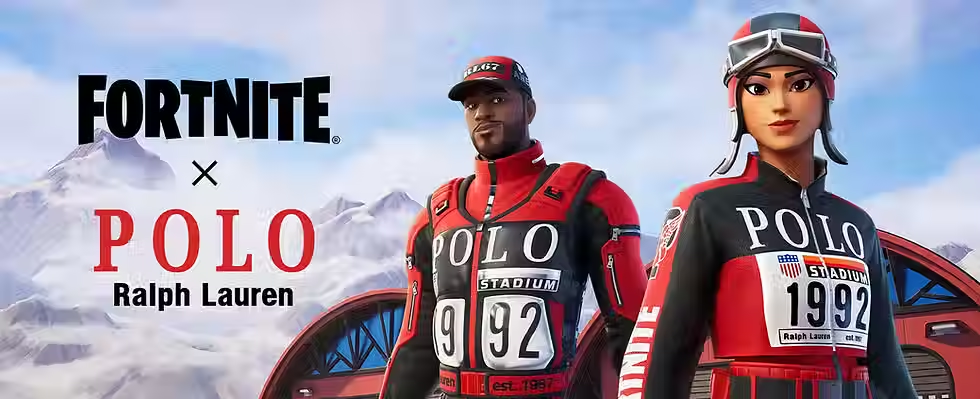
For years, brands tried to “show up” in games the same way they showed up everywhere else, banners, logos, sponsorships. Fortnite changed that.
Today, global brands like BMW, Nike, Ford, Balenciaga, Hyundai, and Ralph Lauren aren’t just advertising inside Fortnite. They’re building entire islands, worlds, and playable experiences. These are places where players choose to spend time with a brand.
This isn’t novelty. It’s a strategic shift in how brands reach the next generation.
Fortnite Isn’t a Game Anymore, It’s a Platform.
Fortnite has evolved into something closer to a social, creative ecosystem than a traditional game. With Creative Mode and Unreal Editor for Fortnite (UEFN), brands can now:
Design persistent worlds
Tell stories through gameplay
Host events, challenges, and collaborations
Measure engagement in minutes and hours, not impressions
For brands, this means an engaged audience that is actively participating with them.
Why Brands Are Choosing Islands Over Ads
1. Time Spent Beats Reach
A 30-second ad view is a win in traditional media. On Fortnite, players spend 10–30 minutes inside a branded island by choice.
Brands like Nike (Airphoria) and BMW leaned into this by designing worlds that reward exploration and mastery rather than pushing messages.
2. Gameplay Is the New Brand Story
On Fortnite, brand values are experienced, not explained.
Automotive brands turn speed, control, and innovation into movement mechanics and monetise digital products.
Fashion brands turn identity into skins, spaces, and social presence and again, monetise digital products.
EV and future-mobility brands visualize ideas that don’t yet exist in the real world
When Ford built off-road challenges or BMW explored future mobility themes, the brand story lived in how the island felt to play.
3. Fortnite Reaches Gen Z Without Pretending
Younger audiences are fluent in digital spaces. They spot fake brand “activations” instantly.
Fortnite works because:
Players opt in
Creation feels native
Experiences reward skill, curiosity, or creativity
Brands that succeed don’t shout. They build something worth playing.
Islands Scale Globally Without Global Media Buys
One Fortnite island can:
Launch regionally or globally
Be updated live
Partner with creators or influencers
Live beyond a campaign window
That’s why brands like Hyundai, Honda, and Nissan often deploy Fortnite alongside Roblox — but use Fortnite for older Gen Z, deeper engagement, and premium positioning.
What Smart Brands Do Differently
The best Fortnite brand experiences share a few traits:
No hard selling — the brand is the environment
Short learning curve — fun in under 60 seconds
Replay value — challenges, secrets, progression
Cultural fluency — they understand Fortnite language
The goal isn’t realism. It’s resonance.
This Is Not “Gaming Advertising”
Calling these islands “ads” misses the point.
They are:
Fortnite gives brands something media rarely does anymore: time, attention, and choice.
And the brands building islands on Fortnite today aren’t chasing trends, they’re maintaining visibility on the most current digital platforms online today.
The Takeaway
Fortnite islands aren’t about selling products in-game. They’re about building memory, meaning, and relevance in a place people actually want to be.
This isn't traditional advertising, this is world building for brands.
Take a look at our Why Brands Are Building Worlds in Fortnite presentation to wrap your head around what Fortnite is and how it can work for your brand.


Mình hay chú ý đến các số liệu thống kê khi đọc thông tin về một nền tảng trực tuyến. Những con số về lượng hội viên giúp mình hiểu rõ hơn về quy mô hệ thống. Khi mình đọc thêm về 789 BET thì thấy trong năm 2025 có hơn 1 triệu ID đăng ký mới. Tổng số hội viên được giới thiệu khoảng 7,3 triệu. Trung bình mỗi tuần hệ thống ghi nhận khoảng 320.000 phiên hoạt động. Ngoài ra còn áp dụng bảo mật SSL 256bit
Thấy 789bet được chèn vào và được mọi người nhắc tới nhiều. Mình bấm xem cho biết, để xem cách trình bày và cấu trúc nội dung. Lướt nhanh thì thấy tổng thể khá gọn gàng, tạo cảm giác đáng tin cậy. Với mình, chỉ cần nội dung gọn gàng như vậy là đủ để mình nắm bắt thông tin cơ bản.
Mình biết đến tuyensinhnganhan.com sau khi tình cờ thấy website được nhắc đến trong một vài bài chia sẻ trên mạng xã hội nên đã truy cập vào xem thử. Mình không khám phá toàn bộ nội dung mà chủ yếu quan sát cách trang trình bày giao diện, sắp xếp chuyên mục và bố trí thanh điều hướng. Ấn tượng ban đầu khá tốt vì bố cục được chia thành từng khu vực rõ ràng, các thông tin không bị dồn quá nhiều vào một vị trí. Việc chuyển qua lại giữa các mục cũng tương đối thuận tiện, tốc độ tải trang ổn định và thao tác khá mượt
Mình cũng từng thấy trang chủ GK88 được nhắc trong vài cuộc thảo luận nên tò mò vào xem thử. Ấn tượng đầu tiên là giao diện khá gọn, các mục được sắp xếp tương đối dễ nhìn.
Lần đầu truy cập https://kp88.art/ mình khá chú ý đến cách giao diện được bố trí và phân chia các khu vực. Tổng thể trang có thiết kế thoáng, các danh mục được sắp xếp tương đối hợp lý nên việc tìm kiếm và theo dõi thông tin khá thuận tiện. Thao tác chuyển đổi giữa các trang ổn định, nội dung hiển thị rõ ràng và không tạo cảm giác rối mắt. Dù mới trải nghiệm ở mức cơ bản, mình thấy giao diện nhìn chung khá gọn gàng và dễ làm quen.